
Your Hillside Deserves More Than Concrete.
Living retaining walls that hold grade and grow beautiful — installed by Elevation Living Walls for Southern California properties and select destination projects.
Retaining Walls Can Do More Than Hold Soil.
Most retaining walls solve one problem and create another: hard concrete, heat, blank vertical faces, and spaces that feel engineered but not alive. A living retaining wall holds grade while growing into a botanical experience.
— Mark Woolbright, Inventor, Varden™ Blocks
Three Reasons Elevation + Varden™ Changes Everything.
After decades working with concrete retaining wall systems, the inventor of Varden™ blocks found a better path — engineered plastic that performs like concrete, ships efficiently, and grows like a garden.
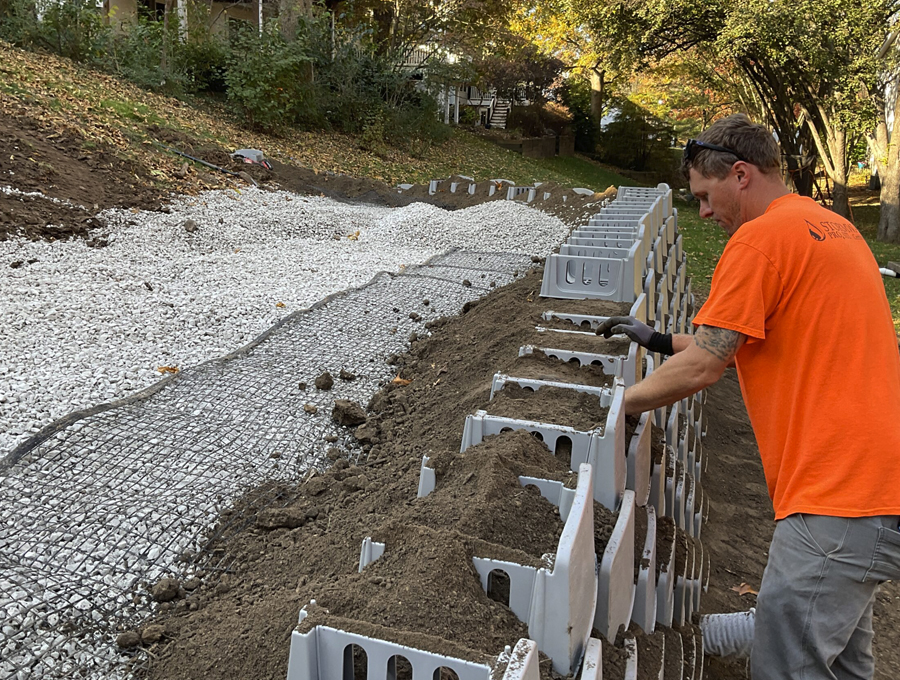
Maximum Soil Volume
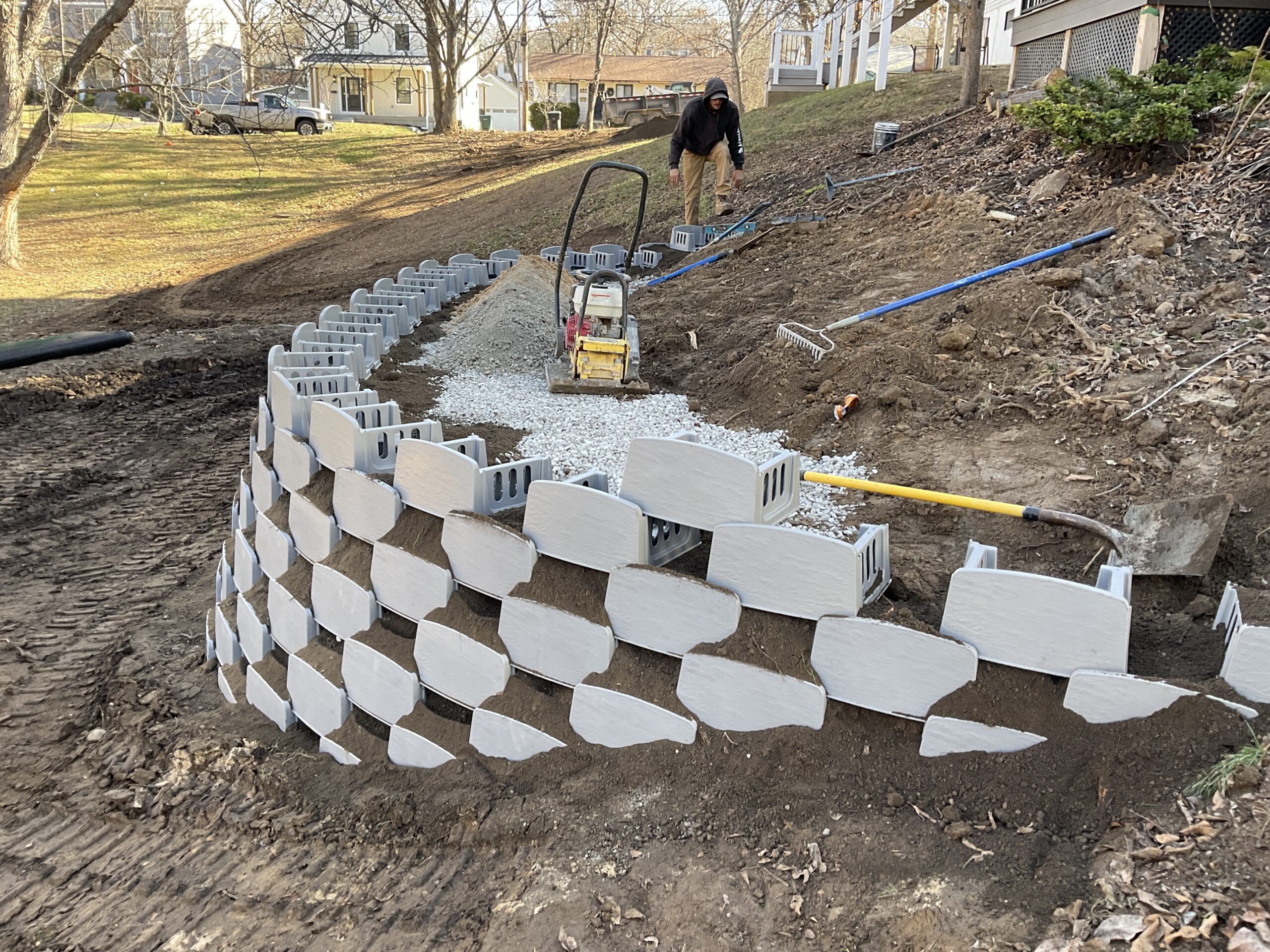
Each Varden™ block holds a full cubic foot of growing soil — creating generous planting volume for deeper roots, better moisture access, and stronger long-term plant performance.
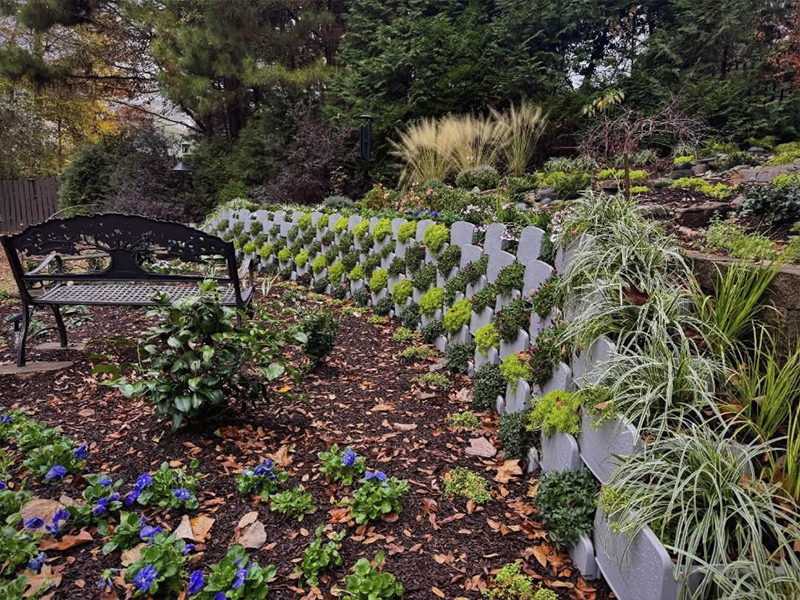
Hillside Access Advantage
Lightweight components can be easier to stage, handle, and install on difficult slopes, narrow access routes, or properties where heavy concrete logistics are challenging.
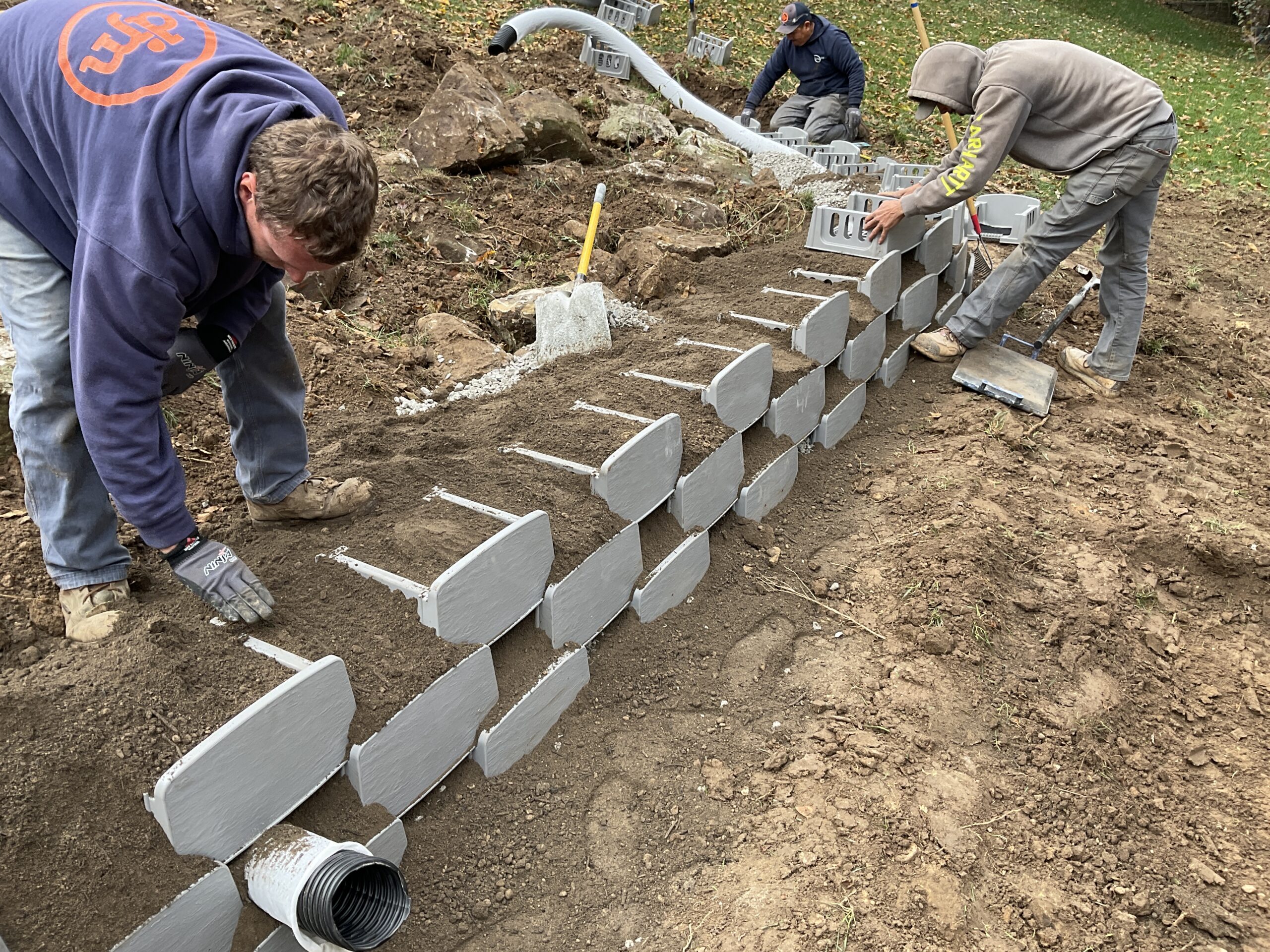
Grows Into the Landscape
Instead of an inert concrete face, Varden™ creates a living soil-and-plant system that can disappear beneath groundcovers, grasses, vines, succulents, herbs, or edibles.
Plantable Retaining Walls Need More Than a Pretty Plant Palette.
A living retaining wall is both a landscape feature and a technical system. The wall must be evaluated for structure, drainage, soil volume, irrigation, plant selection, access, waterproofing awareness, and long-term maintenance.
- ✓ Grade change, wall height, and site condition review
- ✓ Drainage strategy and moisture management
- ✓ One cubic foot soil pocket per Varden™ block
- ✓ Irrigation planning and service access
- ✓ Plant palette for sun, shade, wind, exposure, and maintenance
- ✓ Coordination with landscape, hardscape, and construction scope
Your Property. Your Wall. Your Garden.
Living retaining walls work beautifully across a wide range of Southern California properties. Here’s how to know whether a plantable wall may be the right fit.
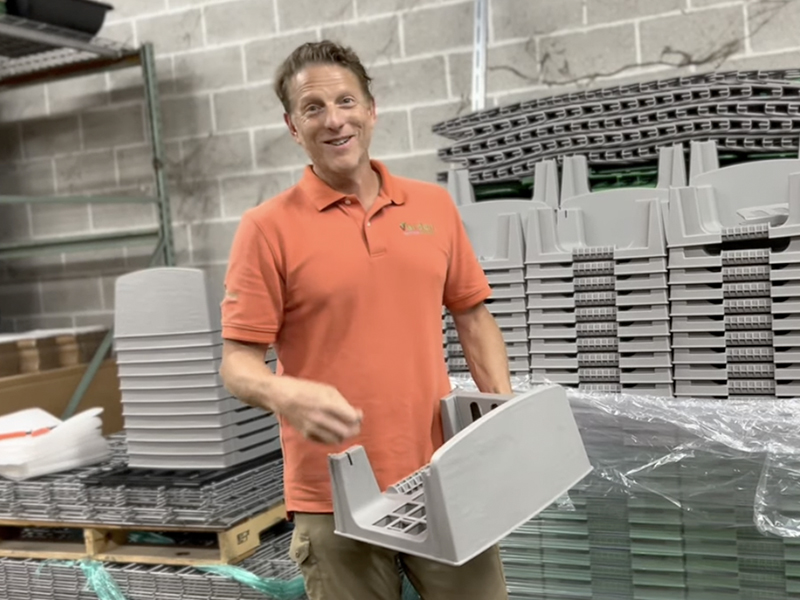
- ✓ You have a slope, hillside, or grade change that needs retention
- ✓ You want something that looks stunning, not industrial
- ✓ Your site has limited equipment access, narrow paths, or steep grades
- ✓ You’re building or renovating a custom home or luxury residence
- ✓ You value sustainable, low-maintenance landscaping that gives back
- ✓ You want an approach that creates a living system instead of a concrete face
Southern California Plants That Thrive in Living Walls.
The Varden™ block’s oversized soil pocket means your plant palette is remarkably flexible. In Southern California’s climate, these plant categories can perform exceptionally well.
Succulents & Groundcovers
Sedums, ice plant, dymondia, creeping thyme, and low-growing succulents can create dense, colorful coverage.
Native Grasses & Perennials
Festuca, blue oat grass, native groundcovers, and climate-adapted perennials add texture and habitat value.
Vines & Trailing Plants
Ivy, vinca, honeysuckle, euonymus, and cascading plants can soften the wall face quickly.
Edibles & Herbs
Rosemary, thyme, strawberries, oregano, and edible plantings can turn a wall into a productive garden.
Pollinator-Friendly Palettes
Flowering perennials and native-adapted species can bring seasonal color and ecological value.
Architectural Planting
Agaves, grasses, succulents, and sculptural plants can create a refined Southern California look.
From Slope Problem to Living Feature.
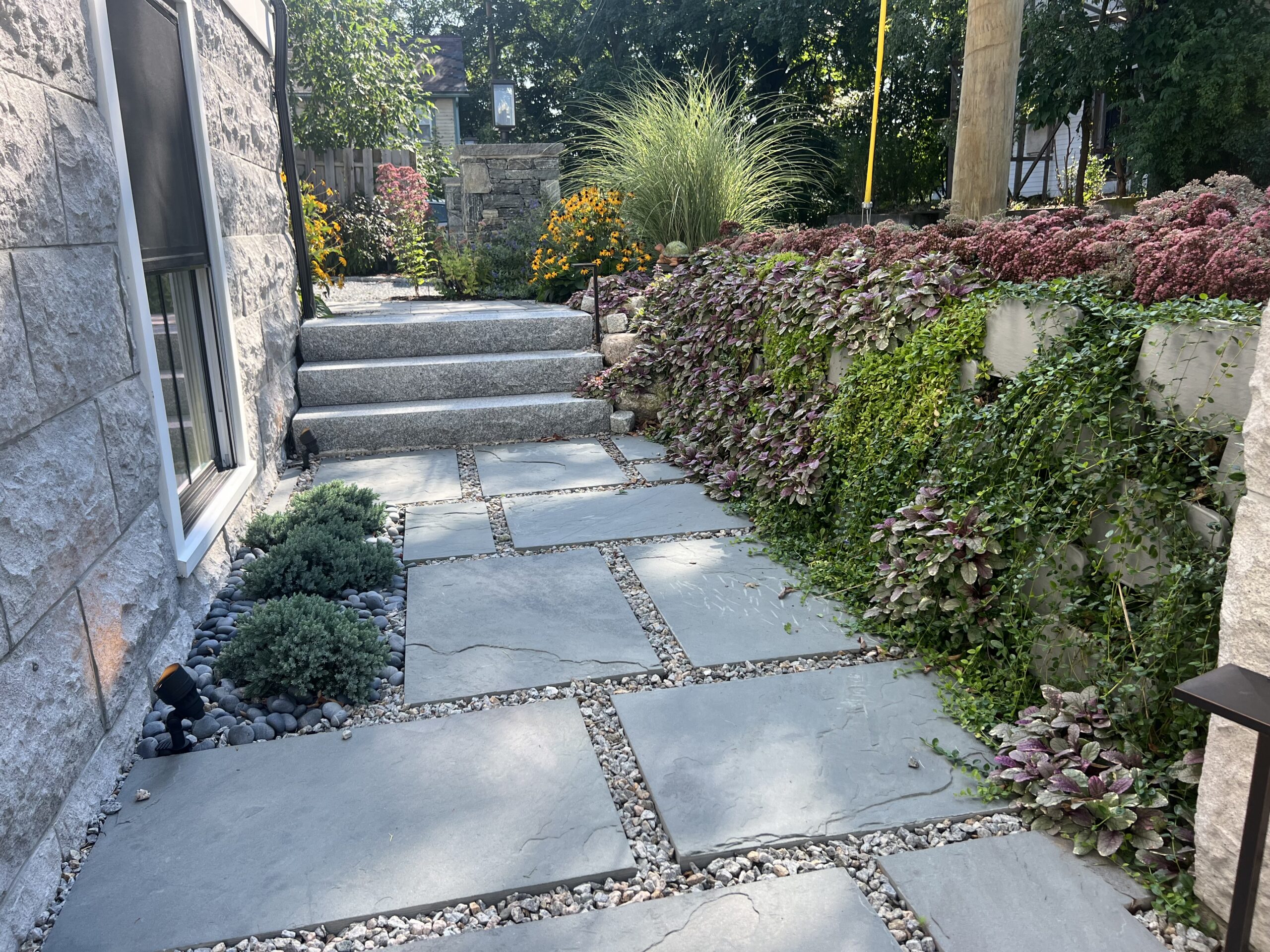
Plantable retaining walls can support hillside homes, patios, courtyards, garden rooms, hospitality settings, and outdoor experiences where structure and planting need to work together.
Living Retaining Wall Materials Calculator.
Get a quick preliminary estimate of the blocks and materials needed for your wall. Enter your approximate dimensions below.
Estimate My Wall
Enter the exposed height and total length of your retaining wall. For varying heights or walls over 5 feet, contact us directly.
Preliminary Material Estimate
This is a planning estimate only. Installed pricing depends on site access, drainage, engineering, planting, irrigation, and project logistics.
Ready to Transform Your Slope?
Let’s talk about your property, plant options, site conditions, and what is possible.
Want Professional Installed Pricing?
Your calculator result is a preliminary material reference only. Share your information below and we’ll help guide the next step.
A Clear Path From Grade Problem to Living Feature.
Living retaining walls begin with site understanding. We help evaluate the space, identify constraints, and develop a thoughtful path forward.
Site Conversation
Discuss the grade change, wall condition, project goals, location, and desired experience.
Feasibility Review
Consider access, drainage, irrigation, structure, exposure, budget, and maintenance expectations.
Concept Direction
Develop a plantable wall strategy, design direction, plant palette, and scope path.
Build + Cultivate
Coordinate construction, planting, irrigation, startup, and long-term care planning.
Have a Grade Change Worth Transforming?
If you are exploring a plantable retaining wall, living wall, vertical garden, or biophilic landscape feature, we can help evaluate the opportunity.
“A retaining wall can do more than hold back soil. It can become part of the experience.”

"Connecting People, Plants, and the Communities that surround us...Vertically"
Serving Southern California and Beyond!
Copyright © Orange County, California. All rights reserved.